








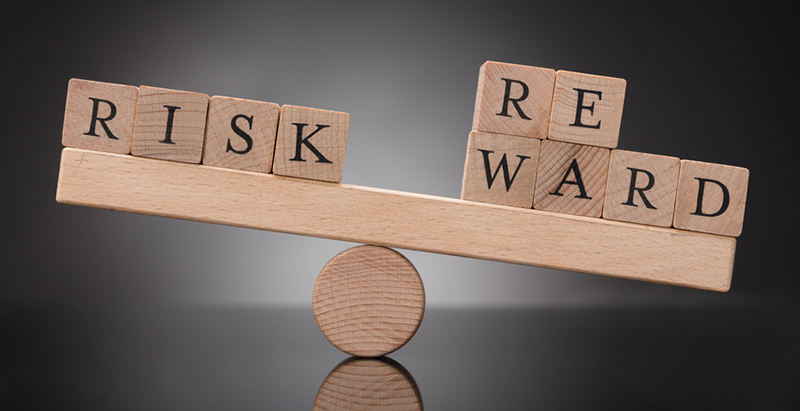
Balancing risk and reward is a cornerstone of successful investing. Every investment carries some level of risk, and understanding how to manage it while maximizing returns is essential for long-term wealth building. In 2026, investors face fluctuating markets, economic uncertainty, and diverse investment options, making risk management more important than ever. Achieving the right balance requires assessing personal risk tolerance, diversifying portfolios, and strategically allocating assets across different investment types. By combining careful planning, research, and discipline, investors can optimize returns while protecting their capital, ensuring financial goals are met without exposing themselves to unnecessary risks.
Understand Your Risk Tolerance
The first step in balancing risk and reward is understanding your personal risk tolerance. Risk tolerance is influenced by factors such as age, financial goals, income stability, and investment experience. Younger investors may have higher tolerance due to a longer time horizon, while those closer to retirement typically prefer lower-risk investments. Assessing your comfort level with market volatility helps guide investment decisions and avoid panic during downturns.
Tools like risk questionnaires, financial advisors, or online calculators can help determine an appropriate risk level. Understanding risk tolerance ensures that investments align with personal goals and reduces the likelihood of making impulsive, emotionally driven decisions during market fluctuations.
Diversify Your Portfolio
Diversification is key to reducing investment risk. By spreading investments across various asset classes—such as stocks, bonds, real estate, and commodities—investors can protect against significant losses in any single sector. Diversifying within asset classes, like holding different stocks across industries, further mitigates risk. ETFs and mutual funds provide easy diversification for investors with limited capital.
In 2026, global market volatility makes diversification even more important. Properly diversified portfolios tend to balance risk and reward, smoothing out returns over time. For investors, diversification provides the dual benefit of potential growth and risk management, allowing long-term wealth accumulation without excessive exposure to individual asset fluctuations.
Assess Investment Time Horizon
Time horizon plays a critical role in balancing risk and reward. Long-term investors can often tolerate higher short-term volatility because they have more time to recover from market downturns. Conversely, those with short-term goals, like buying a home in a few years, should prioritize low-risk investments to preserve capital. Matching investments to your time horizon ensures that risk levels are appropriate for your financial objectives.
In 2026, economic uncertainty and market fluctuations highlight the importance of aligning investment strategy with timeline. A clear understanding of when funds will be needed allows for better allocation of assets, balancing potential high-reward investments with stable, low-risk options.
Use Asset Allocation Strategically
Asset allocation is the process of distributing investments across different categories to balance risk and reward. The right allocation depends on risk tolerance, time horizon, and financial goals. For example, a balanced portfolio may include 60% stocks, 30% bonds, and 10% alternative assets. Younger investors might favor higher equity exposure for growth, while older investors may prioritize bonds and income-generating assets for stability.
In 2026, asset allocation also involves considering inflation-protected investments, ESG funds, and global diversification. Regularly rebalancing the portfolio ensures the allocation stays aligned with goals and risk tolerance. Strategic asset allocation helps investors maximize potential returns while minimizing the impact of market volatility, providing a structured framework to manage risk effectively.
Monitor and Adjust Investments
Balancing risk and reward requires continuous monitoring of your portfolio. Market conditions, economic shifts, and personal circumstances can change risk exposure over time. Regularly reviewing investments allows for timely adjustments to maintain the desired risk-reward balance. Rebalancing ensures that no single asset dominates the portfolio, preserving diversification.
Investors should also monitor company fundamentals, interest rates, and sector performance to make informed decisions. In 2026, advanced tools, robo-advisors, and financial dashboards make monitoring simpler, enabling real-time adjustments. Monitoring also helps identify underperforming investments, allowing for strategic replacements. By actively managing your portfolio, you maintain control over risk levels while seeking optimal returns, ensuring investments stay aligned with long-term financial objectives.
Consider Risk-Reward Ratios
Every investment carries a trade-off between potential reward and associated risk. The risk-reward ratio measures expected returns relative to the risk undertaken. Understanding this ratio helps investors compare opportunities and select investments that align with their objectives. High-reward investments often come with increased volatility, while low-risk assets provide stability but lower returns.
In 2026, analyzing risk-reward ratios across stocks, bonds, ETFs, and alternative assets is crucial for informed decision-making. Investors should consider both historical performance and future growth potential to evaluate whether the risk justifies the expected return. By prioritizing investments with favorable risk-reward profiles, portfolios can achieve consistent growth while avoiding unnecessary exposure to extreme market fluctuations.
Diversify Across Geographies
Investing globally reduces dependence on the performance of a single economy or market. International diversification spreads risk across developed and emerging markets, sectors, and currencies. This strategy mitigates the impact of domestic market downturns and inflationary pressures. In 2026, global market opportunities in technology, renewable energy, and emerging markets provide potential high returns.
Currency diversification can also protect against local economic volatility. For investors, global diversification enhances the balance of risk and reward, offering exposure to different growth trajectories while reducing the impact of regional economic disruptions. Incorporating international assets complements domestic holdings and strengthens portfolio resilience, ensuring a more stable long-term investment strategy.
Conclusion
Balancing risk and reward is essential for achieving long-term investment success. By understanding risk tolerance, diversifying assets and geographies, aligning investments with time horizons, using strategic asset allocation, and monitoring portfolios regularly, investors can maximize returns while minimizing potential losses. Considering risk-reward ratios ensures that each investment aligns with financial goals. In 2026, careful planning, discipline, and ongoing portfolio management allow investors to navigate market volatility confidently.
FAQs
What does balancing risk and reward mean?
It means selecting investments that provide potential returns while keeping risks manageable.
How do I know my risk tolerance?
Consider your financial goals, time horizon, income stability, and comfort with market volatility.
Why is diversification important?
Diversification spreads risk across multiple assets, reducing exposure to losses in any single investment.


