

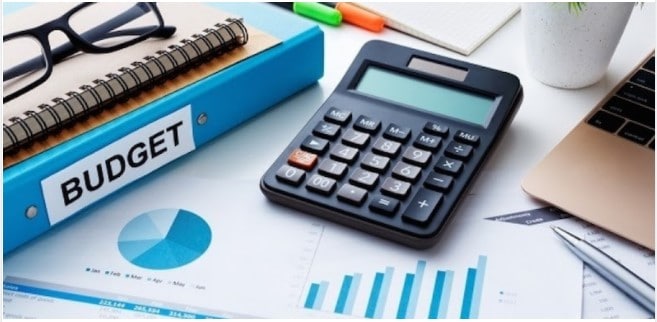
Creating a personal budget is one of the most effective ways to take control of your finances. A well-planned budget helps you understand where your money goes, reduce unnecessary spending, and build savings for future goals. In 2026, with rising living costs and economic uncertainty, budgeting is more important than ever. Many people struggle not with creating a budget, but with sticking to it consistently. By following a structured approach and developing disciplined financial habits, you can create a realistic budget that supports your lifestyle while helping you achieve long-term financial stability and peace of mind.
Step 1: Calculate Your Total Income
The first step in creating a personal budget is knowing exactly how much money you earn. Include all sources of income such as salary, freelance work, side hustles, rental income, or allowances. Use your net income (after taxes) rather than gross income to get an accurate picture of what you can spend. If your income varies monthly, calculate an average based on the last 3–6 months.
This step provides the foundation for your entire budget. Without knowing your true income, it’s easy to overspend or underestimate expenses. Tracking income accurately helps you set realistic limits and ensures your budget aligns with your financial reality. A clear understanding of income also allows you to plan savings and expenses more confidently.
Step 2: Track All Your Expenses
To create an effective budget, you must know where your money is going. Track every expense for at least one month, including rent, groceries, utilities, transportation, subscriptions, and small daily purchases. Many people underestimate how much they spend on non-essential items like dining out or entertainment. Use budgeting apps, spreadsheets, or bank statements to categorize expenses. This step helps identify spending patterns and areas where money can be saved.
In 2026, digital tools make expense tracking easier than ever. Once you see a clear breakdown of your spending, you can make informed decisions and adjust habits that are hurting your finances. Awareness is the key to controlling expenses.
Step 3: Categorize Fixed and Variable Expenses
Divide your expenses into fixed and variable categories. Fixed expenses include rent, loan payments, insurance, and utilities—costs that remain mostly the same each month. Variable expenses include groceries, entertainment, dining, and shopping, which can fluctuate. This categorization helps you understand which expenses are essential and which are flexible.
When money is tight, variable expenses are easier to reduce than fixed ones. Knowing this allows you to prioritize needs over wants. In 2026, rising costs make it important to identify areas where adjustments are possible. Separating expenses also helps you set spending limits and create a balanced budget that fits your lifestyle.
Step 4: Set Clear Financial Goals
Budgeting becomes easier when you have clear financial goals. Goals can be short-term, such as saving for an emergency fund, or long-term, like buying a home or planning retirement. Write down your goals and assign realistic timelines and amounts. Clear goals give purpose to your budget and motivate you to stick to it.
Instead of seeing budgeting as restriction, you see it as a tool to achieve something meaningful. In 2026, goal-based budgeting is especially useful for managing rising expenses while still saving. When you align your spending with your goals, you make smarter financial decisions and stay committed to your budget.
Step 5: Create a Realistic Budget Plan
Using your income, expenses, and goals, create a monthly budget plan. Allocate money to each category, ensuring your total expenses do not exceed income. Popular methods include the 50/30/20 rule—50% for needs, 30% for wants, and 20% for savings. Choose a method that fits your lifestyle. Avoid setting unrealistic limits that are difficult to maintain.
A realistic budget allows flexibility while keeping spending under control. In 2026, budgeting apps can automatically track and alert you when you approach limits. A practical plan increases consistency and makes budgeting a sustainable habit rather than a temporary effort.
Step 6: Build Savings into Your Budget
Savings should be a priority, not an afterthought. Treat savings like a fixed expense by setting aside money as soon as you receive income. Start with an emergency fund covering 3–6 months of expenses, then move toward other goals like investments or travel. Automating savings makes it easier to stay consistent.
In 2026, automation tools help transfer funds directly into savings accounts without effort. Even small amounts saved regularly can grow significantly over time. Including savings in your budget ensures financial security and reduces stress when unexpected expenses arise.
Step 7: Review and Adjust Regularly
A budget is not a one-time setup—it requires regular review and adjustment. Life changes such as salary increases, new expenses, or financial goals require updates to your budget. Review your budget monthly to see what’s working and what isn’t. Adjust categories where you consistently overspend or underspend.
In 2026, financial dashboards and apps make reviewing budgets quick and simple. Regular reviews help you stay on track, avoid financial surprises, and improve discipline. Flexibility ensures your budget remains realistic and aligned with your lifestyle and goals over time.
Conclusion
Creating a personal budget and sticking to it is essential for financial stability and long-term success. By understanding your income, tracking expenses, setting goals, and building savings into your plan, you gain control over your money. Regular reviews and realistic expectations make budgeting sustainable and effective. In 2026, digital tools and automation make budgeting easier than ever. A well-managed budget reduces financial stress, helps achieve goals, and builds confidence in money management.
FAQs
Why is budgeting important?
Budgeting helps control spending, save money, and achieve financial goals effectively.
What is the best budgeting method?
Popular methods include the 50/30/20 rule, zero-based budgeting, and envelope budgeting—choose what suits your lifestyle.
How often should I review my budget?
Review your budget monthly or whenever your income or expenses change.